

Latest Weather Blog
Staying safe while hitting the sand: summer beach safety guide for travelers
Whether it’s a quick trip down to Grand Isle or a road trip to the white sands in Florida or Alabama, summer beach season has arrived. While the beach comes with fun and memories, it can also come with dangerous elements if not careful. Keep your family safe this summer by keeping these quick safety tips in mind.
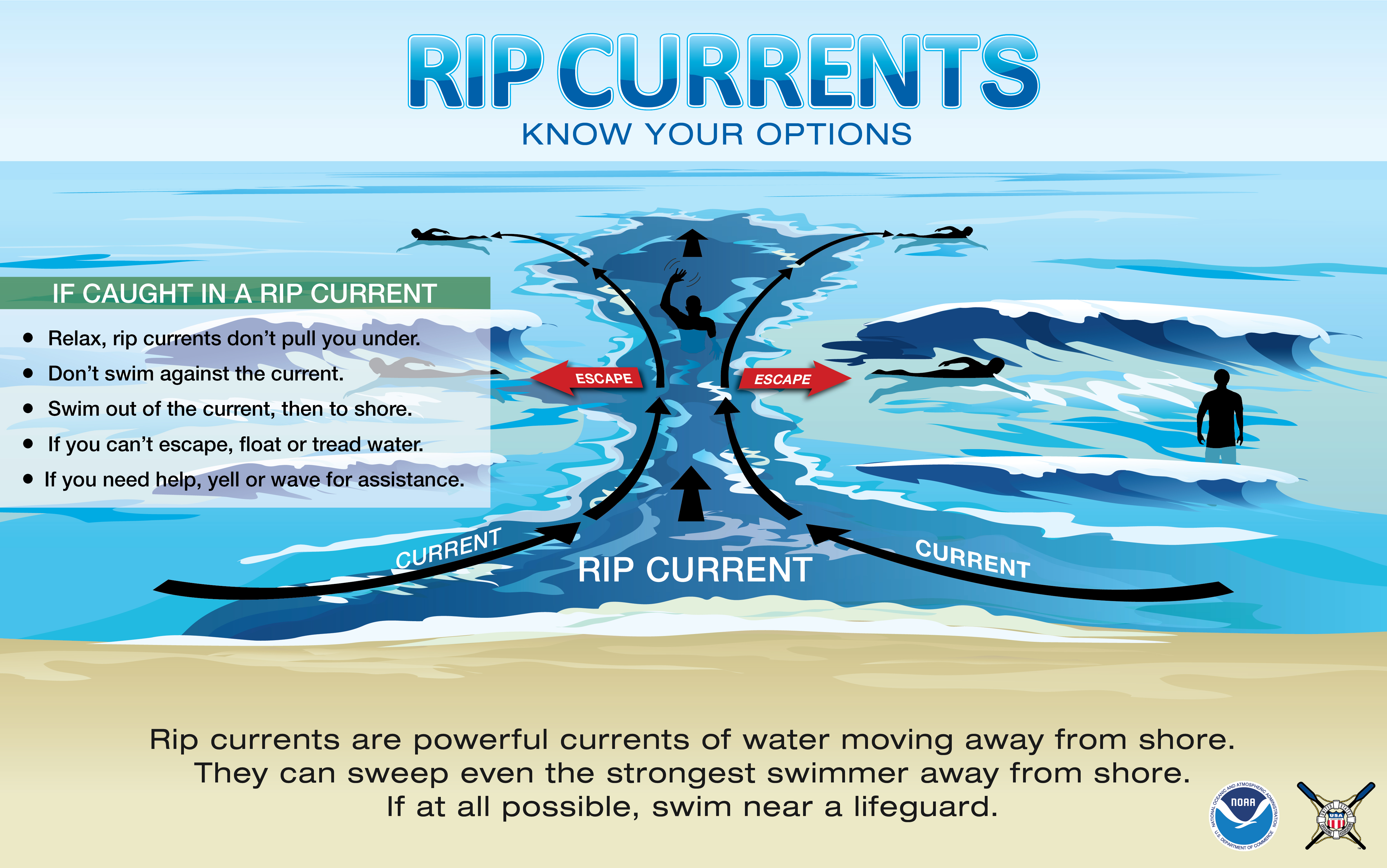
Rip Currents – Arguably one of the most dangerous beach hazards, rip currents are narrow channels of fast-moving water that flow away from the shore. Often catching swimmers off guard, rip currents draw people away from land even on perfectly sunny days.
According to the United States Lifesaving Association, rip currents are responsible for over 100 deaths per year and 80% of lifeguard rescues.
Most rip currents flow at a speed of 1 to 2 feet per second, but have been measured up to 8 feet per second — faster than the pace of an Olympic swimmer.
Rip currents can be challenging to spot, but not impossible. Look for a break in the incoming wave pattern, or a patch of water that looks unusually choppy, or a line of foam and debris moving steadily out to sea. The following video from NOAA shows a real-world example of a rip current:
If caught in one, it’s important not to panic. Don’t fight the current, as trying to do so will lead to exhaustion. Instead, float and swim parallel to the shoreline until free of the current’s pull. Once free, swim at an angle back to the beach. If escaping becomes difficult, try to draw the attention of lifeguards by floating on your back, waving your arms, and yelling for help.
Trending News
Rough Surf – Crashing waves might look pretty, but they pack an incredible force. Even the smallest waves can hit with the force of a car. Getting knocked down or pinned to the sand can cause serious injury or even result in drowning.
Protect the head and neck by keeping your hands in front of your body. Never turn your back on the ocean. Keep an eye on incoming waves so you are never blindsided. Also, be sure to keep children within arm’s reach. A sudden wave or undertow can pull a child into deep water in the blink of an eye.
Sometimes, waves pack a little more punch. “High surf” describes larger waves that have the power to erode beaches, move large logs, or wash over exposed rocks. Swimming in these choppy waters is dangerous. Before diving in, check the beach flags or ask a lifeguard about conditions.
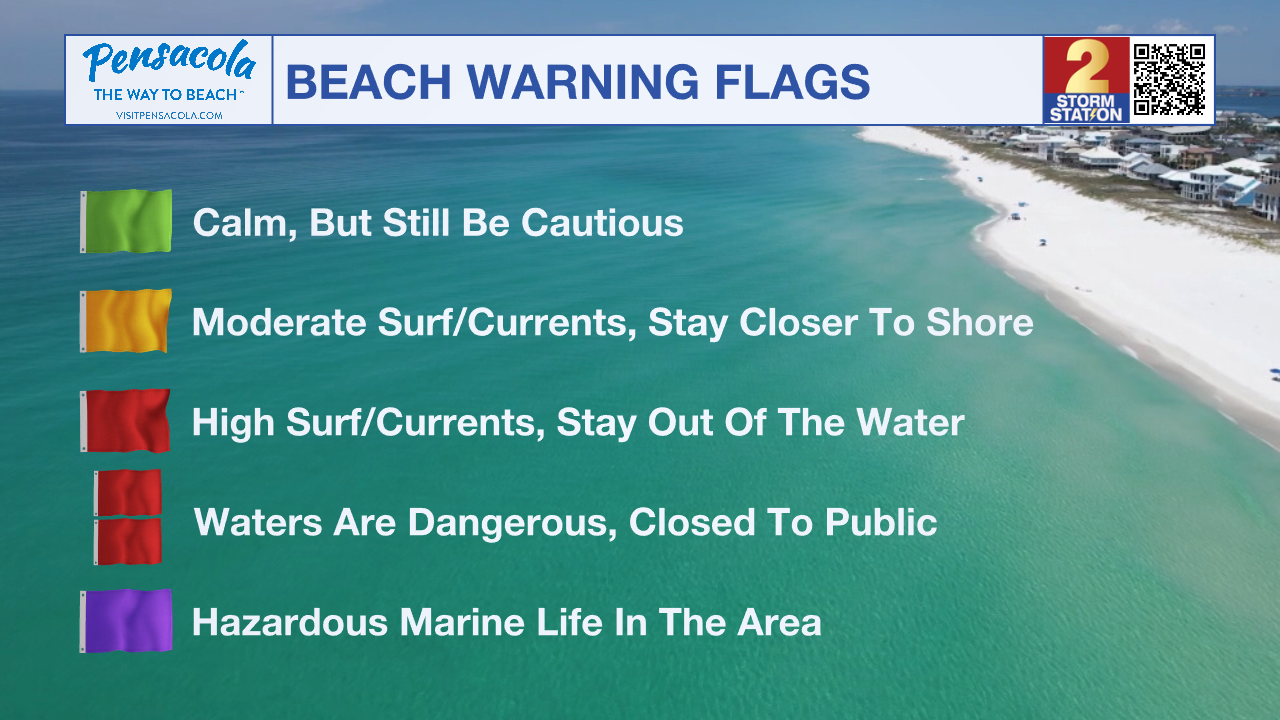
While exact definitions may vary from beach to beach, the color of the flag is generally a good indicator of ocean conditions.
• Green: Calm conditions, but still exercise caution
• Yellow: Moderate surf and/or currents. Weak swimmers should stay close to shore.
• Red: High surf and/or strong currents. All swimmers should stay out of the water
• Double Red: Ocean strictly closed to the public due to extreme danger.
• Purple: Dangerous marine life is present, such as jellyfish or stingrays
Sunburn & Heat – The southern summer sun is already intense, but it packs an even bigger punch at the beach. Because sunlight reflects off both the sand and the water, UV rays are amplified, making it much easier to catch a bad burn.
To stay sun-safe, use a broad-spectrum, water-resistant sunscreen. Apply an SPF 30+ sunscreen regularly, reapplying after every two hours or immediately after swimming. Also consider bringing a beach umbrella to stay out of direct sun from 10 a.m. to 4 p.m., the peak UV hours.
Don’t let the heat catch you off guard, either. Staying properly hydrated isn’t just about comfort; it’s crucial. Know how to spot the warning signs of heat exhaustion before it escalates into a dangerous heatstroke.
• Heat Exhaustion (take steps to cool down): Heavy sweating, cold/clammy skin, fast/weak pulse, nausea, muscle cramps, dizziness.
• Heatstroke (medical emergency – call 911): No sweating, body temperature over 103°, fast/strong pulse, loss of consciousness, throbbing headache.
Lightning – Gulf Coast beaches are no strangers to sudden afternoon downpours. Since water conducts electricity, standing on an open beach makes you a relatively tall target for lightning.
The same safety rule at home applies at the beach: when thunder roars, go indoors. If thunder is within earshot, lightning can strike at any time, even if it isn’t raining yet. Once a rumble is heard, pack up and head to an enclosed building or vehicle. Once inside, wait at least 30 minutes after the last clap of thunder before heading back out to the sand.
General Safety Tips – Before traveling, check the local weather, surf, and tide forecasts. Look specifically for warnings regarding high waves, rip currents, or other local hazards.
Always swim with a friend, and choose a beach with a lifeguard on duty. According to the U.S. Lifesaving Association, chances of drowning at a lifeguarded beach drop to just 1 in 18 million.
Before setting up on the sand, note the beach's physical address in case of an emergency and locate the nearest public life stations equipped with emergency life rings.
The Storm Station is here for you, on every platform. Your weather updates can be found on News 2, wbrz.com, and the WBRZ WX App on your Apple or Android device. Follow WBRZ Weather on Facebook and X for even more weather updates while you are on the go.
More News

